

We all know the value of word-of-mouth recommendations. In today’s digital world, those conversations are happening online—and they directly impact whether people choose your business. Whether you run a hotel, a restaurant, a medical office, or a car repair shop, your reputation is often defined by online reviews.
Why Reviews Matter More Than Ever
89% of consumers read online reviews before making a purchase decision (up from 86% a few years ago).
Reviews now influence not just buying decisions but also hiring decisions—job seekers are checking Glassdoor and Indeed before applying.
Conversations aren’t limited to Yelp or Google. They’re happening on Reddit, TikTok, Facebook, and even niche communities.
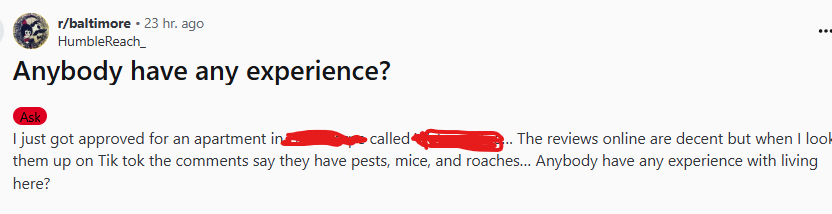 If you’re not actively managing your reputation across platforms, you’re leaving your brand vulnerable.
How Online Reviews Help Your Business
Boost Visibility: Reviews are factored into Google’s local ranking algorithm.
Build Trust: Social proof makes prospects more confident in choosing you.
Free Marketing: Positive word-of-mouth spreads quickly, especially on viral platforms like TikTok or Instagram Reels.
A great review doesn’t just validate your service—it can drive thousands of views and clicks if it takes off on social media.
How to Earn Positive Reviews
The formula is simple: Ask, make it easy, and deliver great service.
Ask Your Best Customers First
Long-time loyal customers are often happy to help.
Be direct: “Would you mind sharing your experience on Google or Yelp?”
- Send them a follow up email with a link to review you or give them a QR Code to review you (make it easy)
Provide Direct Links
Share quick links to review sites via text, email, or QR code.
Focus on platforms where your prospects search most (Google, Yelp, Facebook, TripAdvisor, industry-specific sites).
Follow Up at the Right Time
Ask after a successful purchase, a great meal, or a completed service.
Avoid automated blasts—personal requests get better results.
What About Negative Reviews?
They happen. Here’s how to handle them like a pro:
Don’t panic. One negative review among dozens of positive ones won’t sink you.
Look for patterns or truth in the reviews. If it’s true or multiple people mention the same issue, fix it.
Respond professionally. Thank the reviewer, acknowledge the concern, and invite them to connect offline.
Avoid arguments. Public back-and-forth only damages your credibility.
Remember: most consumers don’t expect perfection, but they do expect responsiveness.
Why Reputation Management Is Non-Negotiable in 2025
Think of online reviews as today’s version of the “telephone game.” If you don’t control the narrative, misinformation spreads—and fast.
TikTok callouts can go viral overnight.
Reddit threads can dominate Google search results.
AI-powered search tools (such as Google’s AI Overviews, ChatGPT, and Perplexity) are automatically pulling in review content and recommending based on your reputation from all of these sources.
That means what people say online is increasingly shaping what others see when they search for you.
Final Thoughts
Reputation management is no longer optional. It’s an ongoing process that touches every part of your business—from customer service to social media monitoring.
The good news? The online review environment is vast, free, and full of opportunity. With the right strategy, you can harness it to build trust, attract customers, and stand out from competitors.